INVEX
Metal AI ERP Software
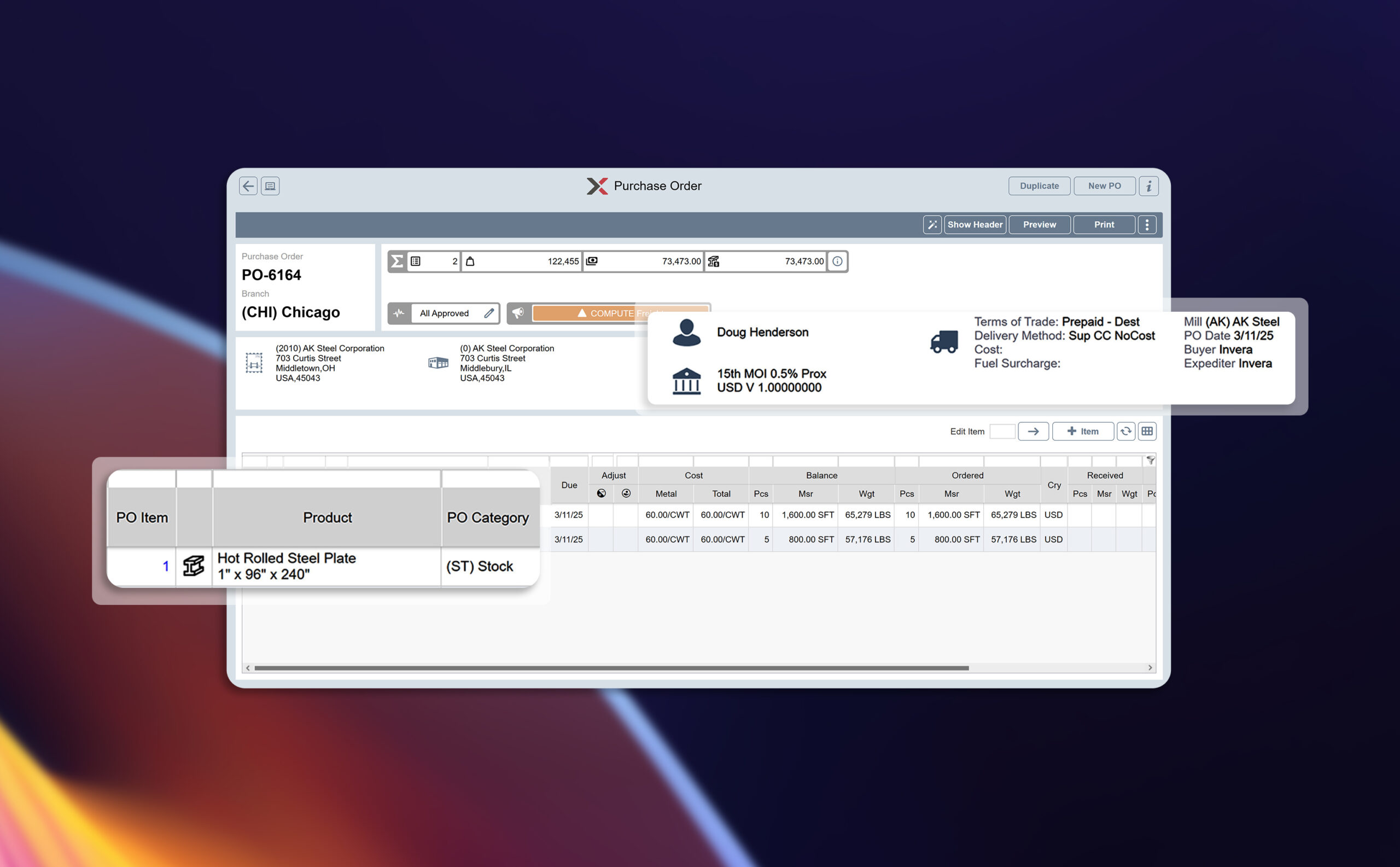
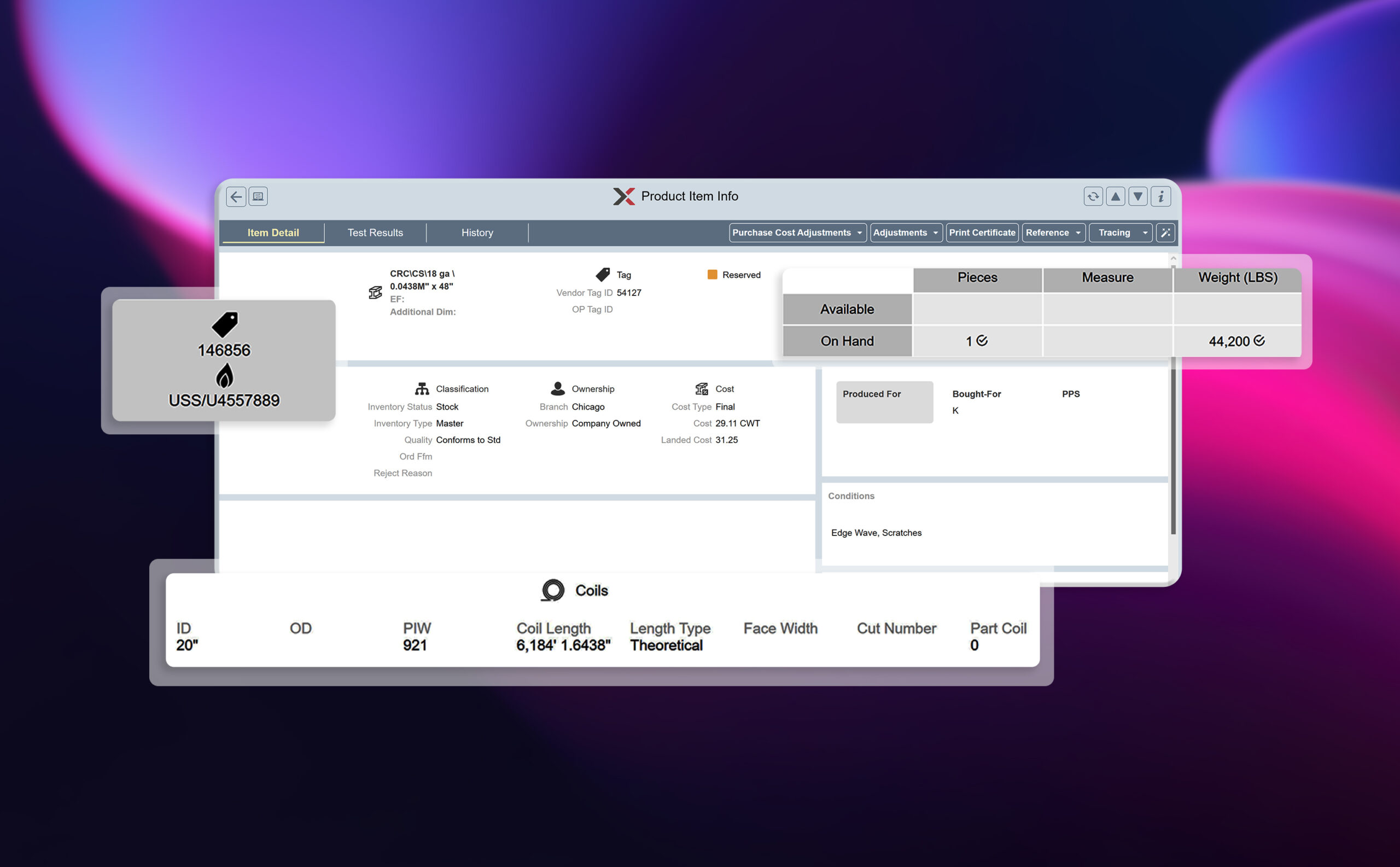
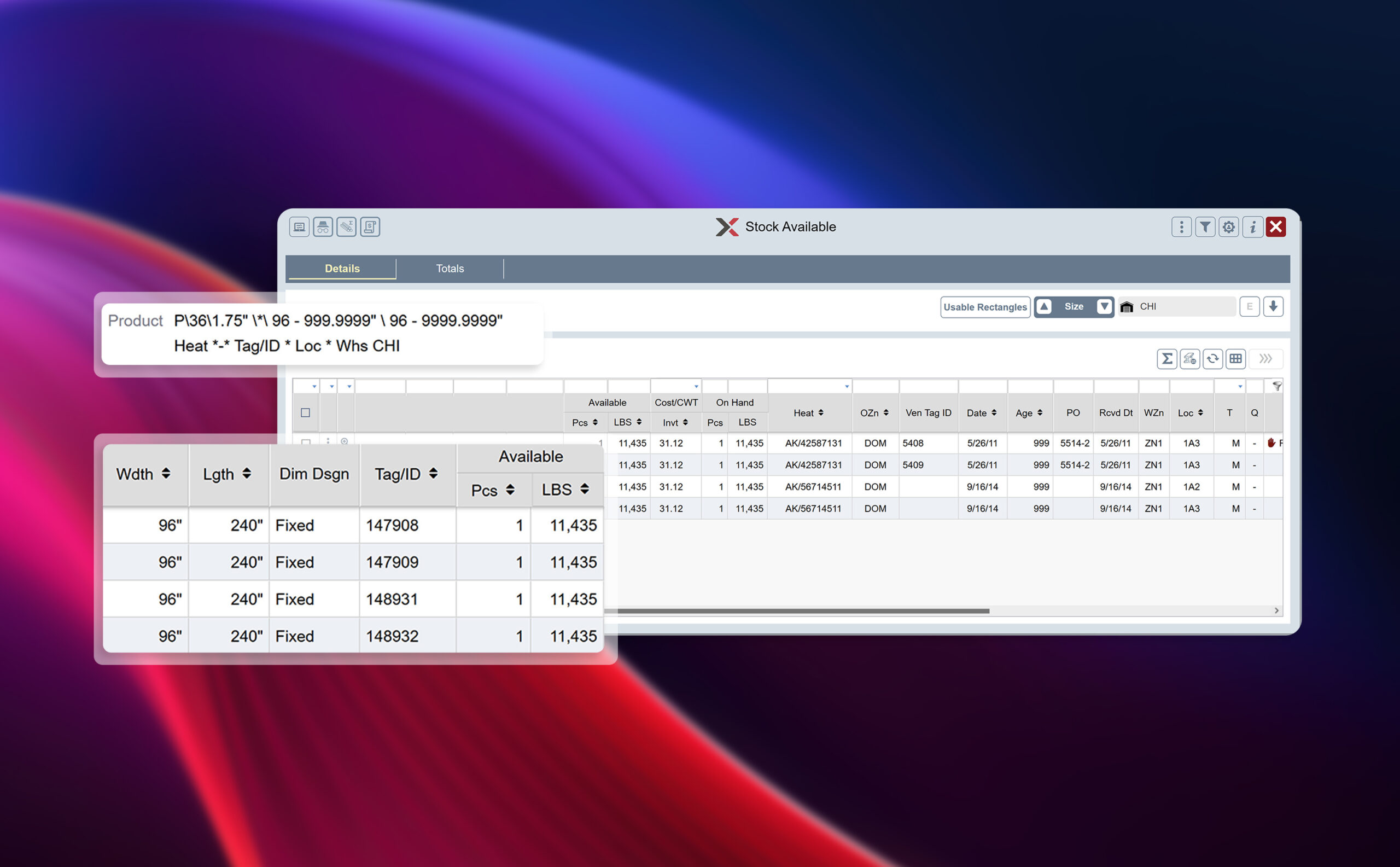
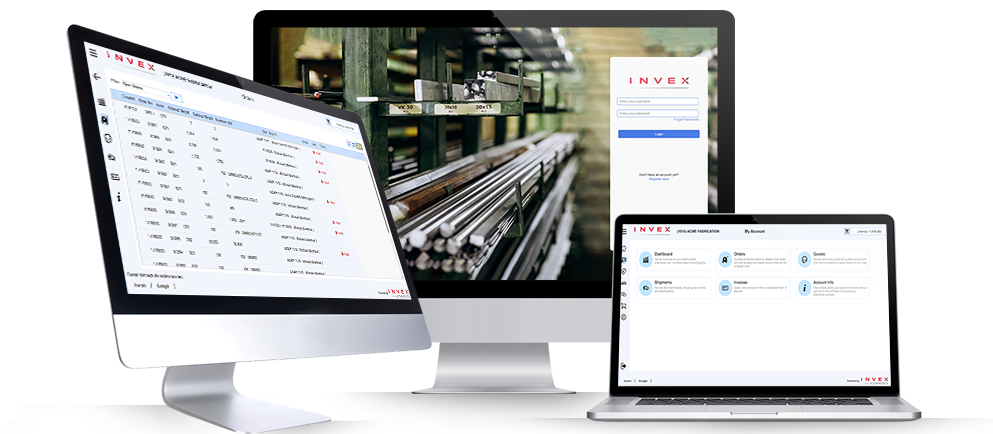
INVEX is an enterprise resource planning (ERP) software and AI platform designed exclusively for metal service centers. The INVEX software provides a comprehensive set of metal-specific features with a state-of-the-art technology stack.
INVEX AI focuses on bringing artificial intelligence directly into operational workflows across sales, inventory, production, planning, shipping, and customer service. At the center of the INVEX AI is Ivy, Invera’s AI assistant designed specifically for the metals industry, which includes Ivy’s Help, Data insights, and Agents.
INVEX is used by metal service centers, metal stockholders, steel plate processors, metal distributors, metal processors, steel toll processors, building product distributors, rolling mills, and steel tube mills that produce tubes from slit coils.
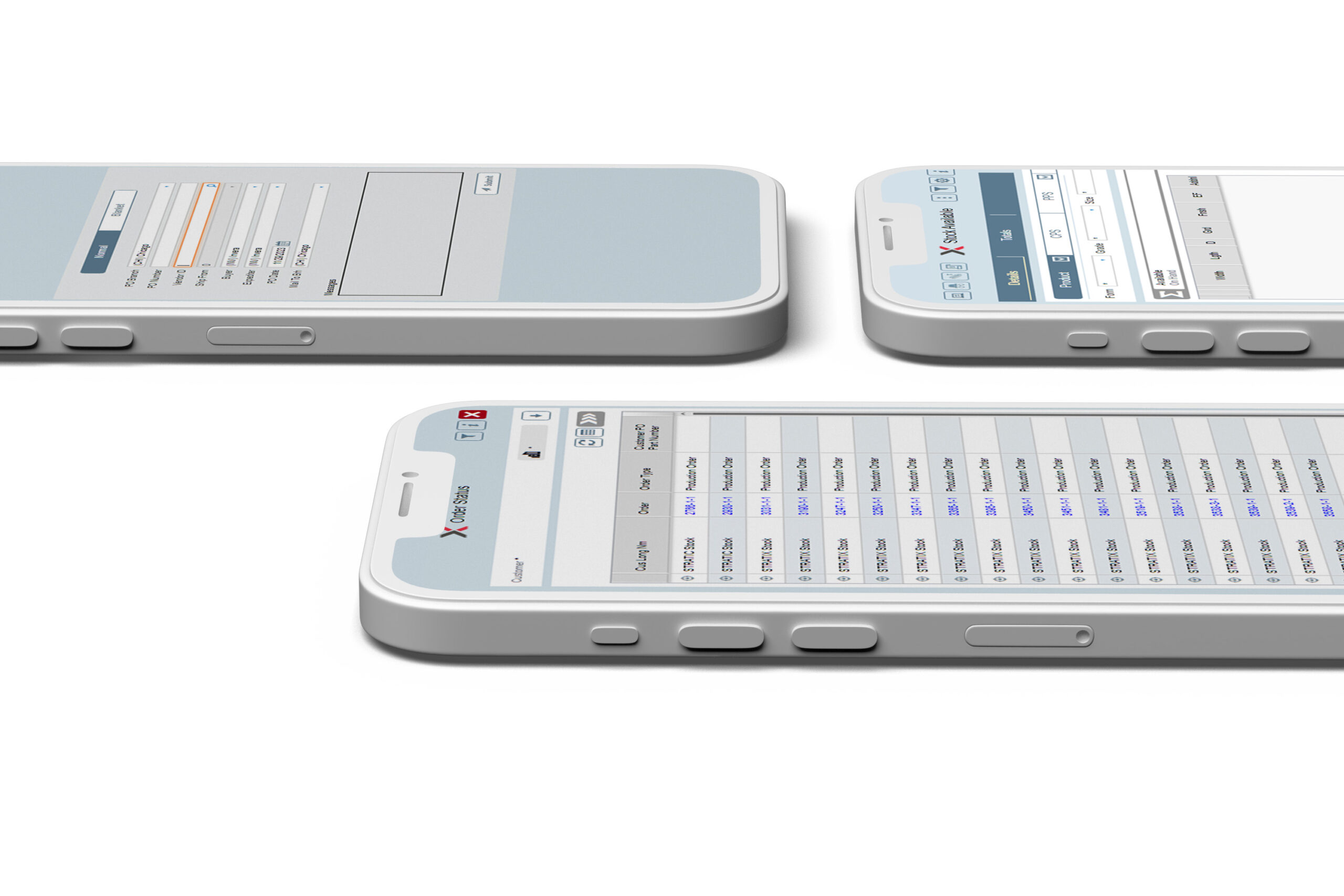
Handling metal business
Common business cases such as stock picks, processed orders, contracts, buyouts, direct ship, outside processing, and toll processing are all built into the software and are fast to enter and fulfill.
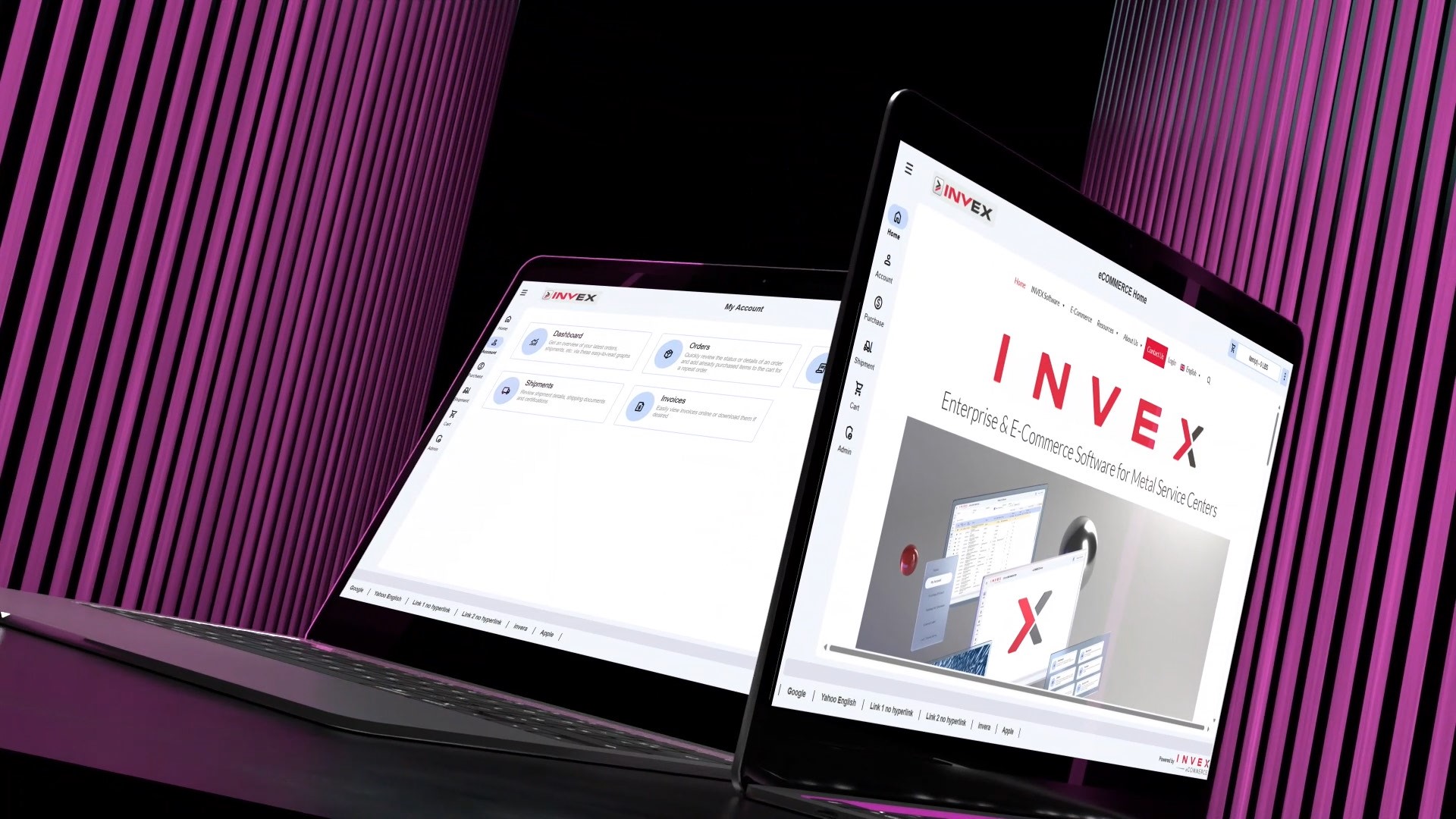
Metal at its core
All screens, fields, and lookups are built for the metal industry with a focus on ease of use and speed of entry, reinforcing the value of a purpose-built metal service center ERP software.
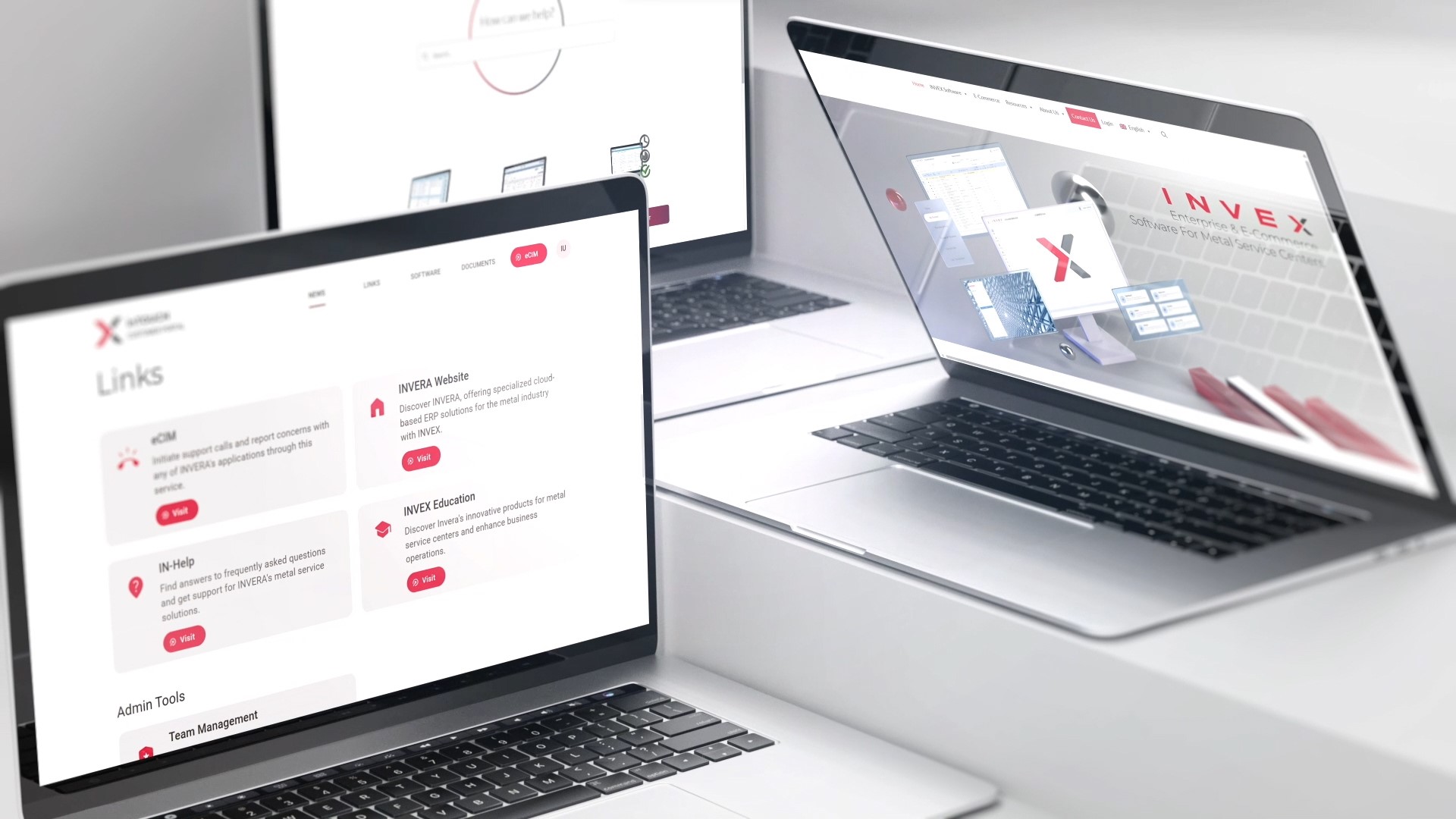
INVEX AI
Built directly into the INVEX platform, INVEX Ivy combines large language model (LLM) technology with INVEX’s operational ERP infrastructure to help users access information faster, interact with business data using natural language, and execute prompt-driven tasks inside INVEX.
The INVEX AI roadmap focuses on three primary areas

Ivy Help
AI-powered assistance trained on INVEX documentation, user guides, and support resolutions to help users quickly learn workflows and resolve questions.
Ivy Insight
Natural-language access to operational ERP data, allowing users to ask business questions such as inventory availability, aging reservations, shipment status, planning exceptions, and customer activity without requiring separate BI tools or dashboards.
Ivy Agents
AI agents capable of assisting with operational activities inside INVEX, including order creation and management, planning tasks, configuration assistance, and warehouse processes. Through the INVEX AI chatbot, users can issue instructions to Ivy to create a quote or sales order, change an order due date, apply pricing changes, or close an order.
Implement Fast. Implement INVEX.
INVEX facilitates digital transformation for the metal industry and ensures swift
implementation at steel service centers with minimal, if any, software modifications.
The Metal ERP + eCommerce Software Solution.
The INVEX metal software, combined with a ready-to-use eCommerce solution, provides a unique solution in the metal industry. As quotes and orders are submitted by customers through the eCommerce platform, these orders are then created, fulfilled, and invoiced by the metal ERP software. Customers can also browse inventory for items such as stainless angles or steel sheets before adding the items to an easy-to-use cart.